On April 22-24, 2026, Katowice will once again host one of Europe’s top debates on geopolitics and the future of the economy. The 18th European Economic Congress will attract prominent public figures, business leaders and top researchers. For three days, they will gather in Katowice to discuss the changing geopolitical landscape, answer key questions on the agency of Europe, the resilience of its economies, the pace of energy transition and the progress on the development of technologies that are capable of transforming the world. The sovereignty of industry, investments in green energy, digital security and competences of the future – all determining the position of Poland and entire European Union in the world – will top the agenda of next year’s edition of the event.
The 18th edition of the EEC will concentrate on key processes influencing the European reality: from changes in the relationship of the EU with global superpowers, through the need for increased technological sovereignty, to investments in the power industry, infrastructure, and innovations. The panellists will seek to assess how well Europe is coping with maintaining its competitiveness, the ability to create security and set the direction for development under the pressure of geopolitical tension, energy transition, and digital revolution. The discussion will also touch upon social challenges: the future of the labour market, migration, education, standard of living and the role of the human in an economy founded on data and technologies.
“We are witnessing tectonic shifts in the relation of power, models of cooperation, and functioning of economies. Therefore, we need dialogue that would allow us to better understand these processes and develop solutions that are fit for the new reality. This need has led to the establishment of the European Economic Congress. The edition that we are currently developing will provide a platform for debate, set the course of action, and outline a strategy for increasing the security and competitiveness of Europe,” says Wojciech Kuśpik, the president of the PTWP Group, the initiator and organiser of the European Economic Congress. “We have announced preliminary subjects of the next edition of the EEC and they are currently being consulted with our stakeholders. As always, the agenda is being developed in cooperation with our partners, the programme council, and experts involved in the process.
Subjects determining the course of debates
The main themes of the 18th European Economic Congress have been selected to best reflect the complexity of the challenges faced by Europe today. In view of the above, the agenda of the incoming edition of the EEC will be divided into eighteen tracks that will organize debate around key areas: geopolitics, security, the power industry, energy transition, investments, labour market, and social development. Each separate track invites deepened conversation, while together they provide a consistent map of priorities, trends and challenges that result from the current economic and political situation.
Europe, geopolitics, strategies
Today, Europe is under unrelenting geopolitical pressure, facing intensifying rivalry between global superpowers, while its future position depends on its ability to increase its agency and remain strategically unified. At the 18th European Economic Congress, we will thoroughly discuss challenges related to the relationship between the UE and Russia, China, and the United States, as well as the limits to Europe’s unity in most critical areas – from support to Ukraine, through energy security and migration, to defence, technologies, and access to raw materials. The discussion will revolve around the competitiveness of the European economy and industry, new global alliances, joint investments, as well as the increasing role of Poland and the region in the new political and economic architecture of the world, including the consequences of Poland’s admission to G20.
Sovereignty and competitiveness
Europe’s economic sovereignty and the competitiveness of its economy will dominate the congress. The participants will analyse the need to decrease the continent's dependence on imported goods, fuels, technologies, food, and drugs, and the need to develop Europe-based competencies in the continent’s strategic fields of activity. They will also highlight the potential of the European industry, science and innovations and the significance of diversification and near-shoring. The increasing role of European and local companies in pursuing critical investments will be equally relevant. The panellists will also consider innovations, digitalisation, automation and green transition as key factors driving the growth and competitiveness of the European economy.
Resilience and security
With increasing political volatility in the background, the congress will also emphasize the need to build resilience and security. The focal point of the debate will be adaptation to geopolitical, climate and economic change, and the necessity for member states’ pursuit of a joint security and defence policy within the European Union. We will also talk about cooperation in the defence industry, military mobility, energy security and integrated mechanisms of crisis response – from cyber threats and disrupted supply chains to challenges in public health.
Energy, transition, investments
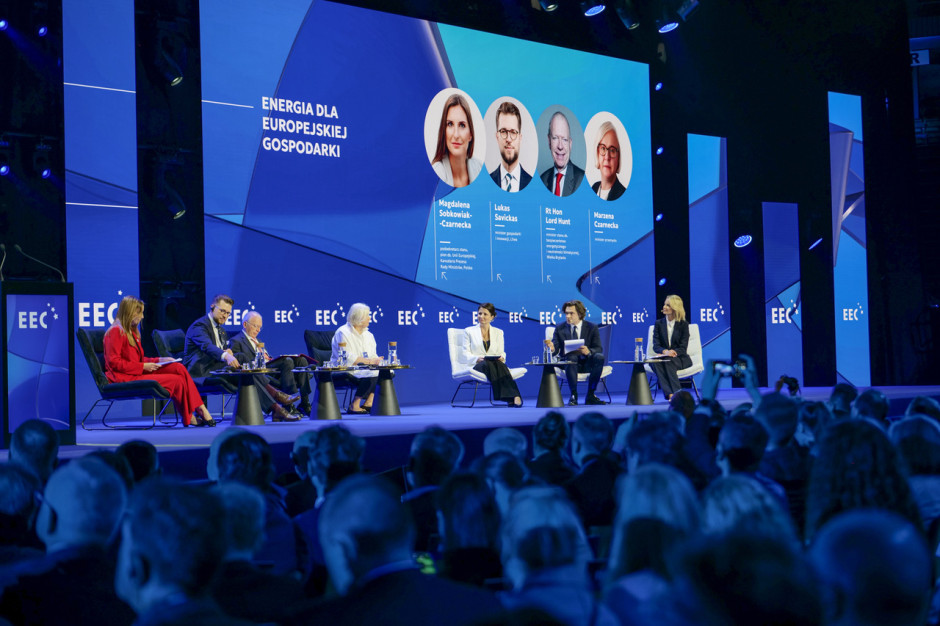
Energy and energy transition will be one of the pillars of the next edition of the congress. The congress will also introduce the subject of balance between climate goals and national economies’ ability to meet them. The experts will analyse the role of renewable energy sources, nuclear power, energy storage, digitalisation, and decentralized energy systems. The discussion will be based on the impact of energy transition of the competitiveness of industry and the significance of major investments in power generation capabilities and power grids, with special attention being paid to local content and modern technologies.
Digitalisation and technologies of tomorrow
Digitalisation, technologies of tomorrow and artificial intelligence will be no less important. Special attention will be paid to groundbreaking technological trends, the use of data as a new economic resource, and the increasing significance of artificial intelligence, automation and robotisation. We will also discuss cybersecurity and the dynamic development of the aerospace industry and concentrate on subjects related to the future of the labour market, digital competencies, and education complementing the debate.
Human, development, balance
Talks about the human at the heart of the transition will be another important subject of the congress. The invited experts will talk about the role of education, science and innovation as drivers for growth. They will also discuss new competencies required by an economy undergoing digital and climate transition at the same time. The discussion will revolve around the challenges stemming from changes in the labour market, demographics, migration, and the significance of quality of life as a foundation of social unity. In this context, we will underline the importance of sustainable growth and solidarity in increasing the resilience of society.
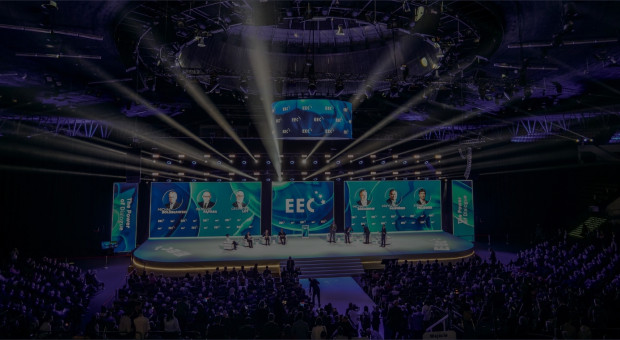
Once again, the 18th European Economic Congress will be hosted in the International Congress Centre and the Spodek arena in Katowice.